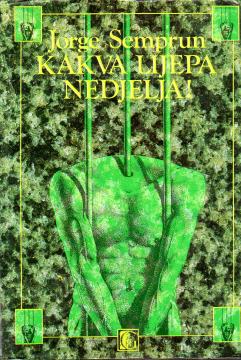
Kakva lijepa nedjelja!
Španjolski književnik i pripadnik pokreta otpora prisjeća se jedne nedjelje u logoru Buchenwald. Kroz sjećanja i promišljanja razotkriva strahote nacizma, ali i tragične zablude staljinizma.
Kakva lijepa nedjelja! (1980.) autobiografski je roman španjolsko-francuskog književnika i političara Jorgea Semprúna. Okosnicu radnje čini jedan jedini zimski nedjeljni dan 1944. godine, koji autor provodi kao zatočenik u nacističkom koncentracijskom logoru Buchenwald. Naziv romana prožet je gorkom ironijom: dok u daljini promatra idilične, snijegom prekrivene padine Ettersberga i hrast pod kojim je Goethe pisao, unutar logorske žice svjedoči svakodnevnom umiranju i dimu iz krematorija.
Semprún ne piše klasičnu kroniku logorskog užasa, već gradi slojevitu, nelinearnu pripovijest. Koristeći tehniku skokova u prošlost i budućnost, autor isprepliće sjećanja na španjolski pokret otpora, ilegalni rad u Francuskoj, ali i kasniji politički rasplet. Kao predani komunist koji se borio protiv fašizma, Semprún kroz logorsko iskustvo beskompromisno analizira i naličje vlastite ideologije, povlačeći paralele između nacističkih logora i sovjetskog Gulaga.
Ovaj je roman potresno filozofsko razmišljanje o pamćenju, književnosti kao jedinom načinu preživljavanja i ljudskoj otpornosti. Semprún spaja osobno svjedočanstvo s dubokim esejističkim uvidima u političke ideale 20. stoljeća.
Two copies are available