Gargantua
Rođenje, djetinjstvo, odgoj i ratni podvizi diva Gargantue: satira na skolastiku, ratove, monaštvo i društvo, s grotesknim humorom, enormnim jelom/pijenjem i utopijskim idealima.
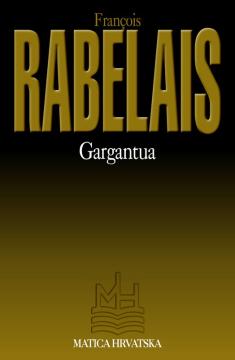
Gargantua (1534./1535.) Françoisa Rabelaisa (ca. 1494.–1553.) prvi je (i najpoznatiji) dio petoknjižja o divovima Gargantui i Pantagruelu. Ovo izdanje Matice hrvatske donosi prvi put cjeloviti prijevod knjige na hrvatski, samostalno - kasnije su izašli Pantagruel 1996., ostale knjige 1997.–1998., a cjelina 2004.
Roman započinje rodoslovljem i rođenjem Gargantue (iz uha majke Gargamelle nakon enormne gozbe), njegovim djetinjstvom punim grotesknih epizoda (pijenje rijeka vina, enormne količine hrane), zatim lošim skolastičkim odgojem u Parizu (satira na srednjovjekovno školstvo) i prelaskom na humanistički odgoj pod Ponokratom. Kulminira ratom protiv kralja Picrochola (parodija na suvremene ratove), gdje Gargantua pobjedonosno ratuje, a nagrada je osnivanje utopijskog Teljemskog samostana – "Čini što hoćeš" (Fay ce que vouldras), gdje su sloboda, obrazovanje i sklad suprotnost asketskom monaštvu.
Rabelaisov stil je furiozan, bujan, pun vulgarizama, kalambura, popisa, parodija Biblije, antičkih autora i srednjovjekovnih žanrova. Groteska tijela (divovske funkcije, jelo, seks) služi satiri na Crkvu, ratobornost, skolastiku i društvene norme renesanse. Djelo je humanističko, optimistično, slavi život, znanje i slobodu, ali i cinično ismijava hipokriziju. Marasov prijevod hvalevrijedan je zbog očuvanja ritma, humora i jezične inventivnosti originala.
One copy is available
- Blago oštećenje korica