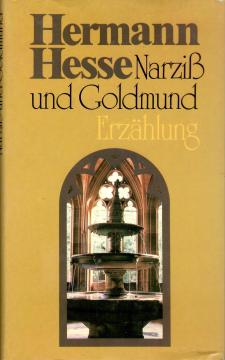
Narziß und Goldmund

In seinem Roman „Narziss und Chrysostomus“ begleitet Hermann Hesse zwei Freunde: den asketischen Mönch Narziss und den künstlerisch unruhigen Chrysostomus, die durch Wanderungen, Liebe und Leiden nach dem Sinn des Lebens suchen.
Narziss und Chrysostomus ist ein Roman von Hermann Hesse, der das Verhältnis von Geist und Körper, Vernunft und Gefühl, Askese und den Leidenschaften des Lebens erforscht. Die Handlung beginnt im mittelalterlichen Kloster Mariabronn, wo zwei junge Männer mit völlig unterschiedlichen Persönlichkeiten aufeinandertreffen. Narziss ist ernst, nachdenklich und dem spirituellen Leben zugetan. Er glaubt an Ordnung, Disziplin, Wissen und den Dienst an Gott. Chrysostomus hingegen ist sensibel, schön, instinktiv und offen für die Welt der Sinne. Obwohl ihn sein Vater in ein Kloster schickt, um Mönch zu werden, erkennt Narziss schnell, dass Chrysostomus nicht für das klösterliche Leben geschaffen ist.
Ihre Freundschaft wird für Chrysostomus entscheidend. Narziss hilft ihm zu erkennen, dass seine wahre Natur nicht in der Abkehr von der Welt liegt, sondern in Erfahrung, Liebe, Kunst und der Auseinandersetzung mit dem Leben. Chrysostomus verlässt das Kloster und begibt sich auf eine lange Reise. Auf seinem Weg begegnet er Frauen, Leidenschaft, Schönheit, Tod, Krankheit und Gewalt. Sein Leben wird zu einer Reihe intensiver Erfahrungen, aber auch schmerzhafter Verluste. Durch Begegnungen mit anderen Menschen und durch seine eigenen Fehler reift er allmählich und beginnt, die Vergänglichkeit alles Irdischen zu begreifen.
Ein wichtiger Teil des Romans ist Chrysostomus' Entdeckung seiner künstlerischen Berufung. In einem Bildhauer findet er einen Lehrmeister und erkennt, dass er seine Erfahrungen formen kann. Die Kunst ermöglicht es ihm, die Erlebnisse von Liebe, Mutterschaft, Tod und Sehnsucht in bleibende Formen zu verwandeln. Doch auch die Kunst schenkt ihm keinen vollkommenen Frieden. Er bleibt hin- und hergerissen zwischen dem Wunsch nach Freiheit und dem Bedürfnis nach Sinn.
Schließlich kehrt Chrysostomus zu Narziss zurück, der nun Abt des Klosters ist. Ihr Wiedersehen zeigt, dass kein Lebensweg in sich abgeschlossen ist. Narziss verkörpert Geist, Denken und Glauben, Chrysostomus hingegen Sinnlichkeit, Kreativität und Erfahrung. Der Roman gibt keine einfache Antwort auf die Frage nach dem richtigen Weg, sondern schildert den Menschen als ein Wesen, das nach einem Gleichgewicht zwischen gegensätzlichen Kräften strebt. Durch die beiden Figuren spricht Hesse über Freundschaft, Kunst, Vergänglichkeit und die Notwendigkeit, dass jeder seine eigene Wahrheit findet.
One copy is available