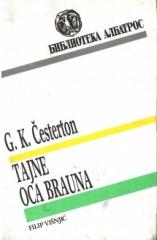
Plavi križ
Policijski inspektor Valentin prati genijalnog lopova Flambeaua u London. Mali, skromni svećenik Otac Brown nosi vrijedan Plavi križ. Umjesto da bude žrtva, Brown ostavlja niz apsurdnih tragova i lukavo nadmudruje kriminalca.
Plavi križ (1910.) prva je priča Gilberta Keitha Chestertona u kojoj se pojavljuje njegov najpoznatiji lik – Otac Brown. Objavljena je u zbirci The Innocence of Father Brown i smatra se jednim od remek-djela detektivskog žanra s dubokim filozofskim i teološkim podtonovima.
Priča počinje dolaskom Aristida Valentina, šefa pariške policije i slavnog detektiva, u Englesku. Valentin je u potjeri za Herculeom Flambeauom, genijalnim i fizički impozantnim francuskim lopovom koji je pobjegao u London. Flambeau se specijalizirao za krađe vrijednih crkvenih predmeta. Valentin zna da će lopov vjerojatno ciljati na euharistijski kongres u Londonu.
Na putu Valentin susreće dvojicu svećenika: malenog, neuglednog Oca Browna iz Essexa i visokog, elegantnog svećenika. Otac Brown naivno spominje da nosi srebrni križ optočen safirima – čuveni Plavi križ. Valentin ubrzo shvaća da je mali svećenik meta, ali ne zna da je Flambeau već preuzeo ulogu drugog svećenika.
Umjesto da bude prevaren, Otac Brown intuitivno osjeća prijetnju. Ostavlja niz bizarnih, naizgled besmislenih tragova duž puta: prosutu juhu po zidu, razbijeni prozor, prevrnutu tezgu s voćem, sol u šećeru i slično. Ti iracionalni incidenti privlače Valentinovu pozornost jer on, kao racionalni detektiv, traži upravo ono što je izvan normale.
Chesterton majstorski preokreće očekivanja detektivskog žanra. Dok Valentin slijedi logiku i tragove, pravi detektivski genij je skromni katolički svećenik. Otac Brown ne koristi samo razum, već i duboko poznavanje ljudske prirode stečeno u ispovjedaonici. On razumije grijeh i zlo bolje od profesionalnih detektiva jer svakodnevno sluša ljudske slabosti.
Na kraju, na Hampstead Heathu, dolazi do dramatičnog obračuna. Otac Brown je već zamijenio križ i poslao ga na sigurno, a Flambeaua hvataju zahvaljujući njegovim vlastitim tragovima. U završnom razgovoru Brown objašnjava kako je nadmudrio lopova – razumijevanjem da zločinac ne može pobjeći od razuma i moralnog poretka svijeta.
Priča je bogata paradoksima, tipičnima za Chestertona. Kritizira suhoparni racionalizam (Valentin), a slavi iracionalnu mudrost vjere i običnog čovjeka. Humor, oštra ironija i neočekivani obrati čine je zabavnom, ali i dubokom – tema je sukob privida i stvarnosti, razuma i vjere, poniznosti i oholosti.
Plavi križ je uzor inteligentne detektivske proze koja ide daleko iznad žanra. Uveo je Oca Browna kao antipod Sherlocku Holmesu: malenog, neuglednog, ali duhovno i intelektualno superiornog svećenika koji rješava zagonetke srcem i vjerom koliko i mozgom. Priča ostaje svježa i danas, a Chestertonov stil – duhovit, paradoksalan i human – čini je pravim malim remek-djelom.
Više primjeraka je u ponudi