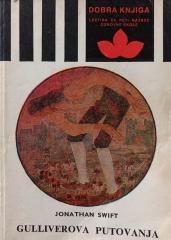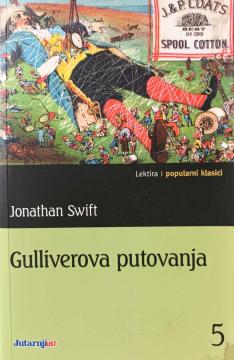
Gulliverova putovanja
Lemuel Guliver doživljava četiri neverovatna putovanja u fantastične zemlje: Liliput, Brobdingnag, Laputu i zemlju Huinhnma. Sviftova genijalna satira o ljudskoj prirodi, politici, nauci i društvu.
Guliverova putovanja (1726) jedno je od najvećih satiričnih dela svetske književnosti. Iako se često pogrešno smatra dečjom knjigom, to je oštra, cinična i duboko pesimistička kritika ljudske prirode i društva u 18. veku.
Roman je podeljen na četiri dela, a pripoveda ga brodski lekar i putnik Lemuel Guliver. U prvom delu, Guliver završava u Liliputu, zemlji sitnih ljudi visokih samo 15 centimetara. Tamo Svift satirizuje englesku politiku, dvorske intrige, besmislene ratove (npr. spor oko toga na kojoj strani razbiti jaje) i sujetu moćnih.
U drugom delu, Guliver stiže u Brobdingnag, zemlju divova. Sada i sam sićušan, suočava se sa suprotnom perspektivom – ljudsko telo i običaji postaju odvratni i groteskni kada se posmatraju izbliza. Kralj Brobdingnaga zaključuje da su ljudi najštetniji mali gmizavci na Zemlji.
Treći deo ga vodi na leteće ostrvo Laputa i druge čudne zemlje, gde ismeva beskorisnu nauku, apstraktnu filozofiju i akademske besmislice (projekte za izvlačenje sunčeve svetlosti iz krastavaca itd.).
Četvrti i najradikalniji deo ga vodi među Huinhnme – plemenite, inteligentne konje – i Jahue, prljave, pohlepne i nasilne ljude-životinje. Guliver se potpuno razočarava u svoju vrstu i na kraju više ne želi da živi među ljudima.
Svift koristi fantastične avanture kao ogledalo u kojem razotkriva ljudsku glupost, korupciju, ratove, kolonijalizam, verske sukobe i sujetu. Stil je naizgled jednostavan i avanturistički, ali ispod površine krije gorak, crni humor i duboku skepsu prema čovečanstvu.
Multiple copies are available