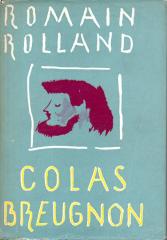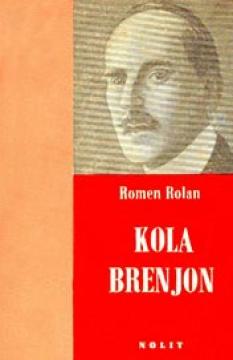
Kola Brenjon
Rolland ovim djelom, napisanim za vrijeme Prvog svjetskog rata, razornoj mržnji suprotstavlja radost življenja, humor i solidarnost. Kola je svojevrsni burgundski Falstaff ili Rabelaisov Gargantua – grub, ali plemenit, zemaljski, ali duboko human.
Burgundija, 1616. godina. Kola Brenjon, veseli, debeljuškasti stolar i rezbar iz gradića Clamecyja, priča nam svoj život u prvom licu. Iako ima preko 60 godina, pun je životne radosti, voli dobro vino, žene, šale i svoj zanat. Knjiga je zapravo njegov dnevnik kroz jednu burnu godinu.
Kola voli slobodu i svoj zavičaj, ali mrzi licemjerje, fanatizam i tiraniju. Kada u Burgundiju stižu ratovi (Tridesetogodišnji rat tek kuca na vrata), kuga i vjerski sukobi između katolika i hugenota, Kola ostaje vjeran sebi: pomaže i jednima i drugima, ismijava sve koji se prave važni i uživa u životu čak i kad mu kuća izgori, a prijatelji umiru.
Unatoč patnji, bolesti i smrti, Kola Brenjon ostaje simbol nepokolebljivog životnog optimizma i francuskog „joie de vivre“. Na kraju, teško bolestan od kuge, ipak se oporavlja i slavi život riječima: „Živ sam! Živ sam! Dobro je biti živ!“
Nema primjeraka u ponudi
Poslednji primjerak je nedavno prodan.