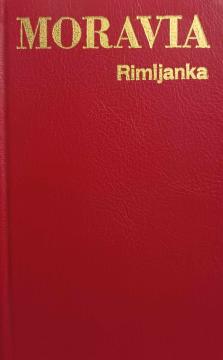
Rimljanka
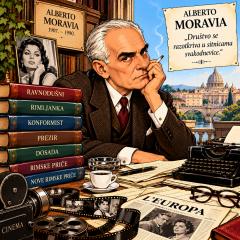
Adriana, ein schönes römisches Mädchen aus ärmlichen Verhältnissen, wünscht sich ein normales Leben, doch ihre Mutter zwingt sie, für Maler Modell zu stehen und sich zu prostituieren. Ihre Liebesaffären führen sie durch Verrat, Gewalt und Korruption bis z
Die Römerin ist einer der bekanntesten Romane Alberto Moravias und erschien 1947. Die Protagonistin Adriana erzählt die Geschichte in der Ich-Perspektive. Die Handlung spielt im Rom der 1930er-Jahre, während Mussolinis faschistischem Regime. Die Politik bleibt jedoch weitgehend im Hintergrund und bildet einen korrupten, gewalttätigen Kontext, der das Schicksal der Figuren prägt.
Adriana, ein junges, schönes Mädchen aus einfachen Verhältnissen, lebt mit ihrer Mutter Margherita, einer armen Näherin, die verbittert über ihre Vergangenheit ist (sie wurde schwanger ausgesetzt). Margherita betrachtet Adrianas Schönheit als Kapital: Sie zwingt sie, für Maler nackt zu posieren, in der Hoffnung, dass dies zu einem besseren Leben führt. Adriana träumt von einer einfachen, ehrlichen Ehe und Familie, doch sie verliebt sich in Gino, einen charmanten, aber hinterlistigen Fahrer. Er beutet sie aus und betrügt sie, und die Ehe zerbricht.
Daraufhin gerät Adriana in die Prostitution. Ihre Mutter stellt sie Gisella vor, die sie in die Welt der bezahlten Freier einführt. Hier tritt Astarita auf, ein mächtiger faschistischer Polizeibeamter, besessen von Adriana. Er nutzt seine Macht, um sie zum Sex zu zwingen und sie zu seiner Geliebten zu machen. Adriana hasst ihn, willigt aber aus Geldgier und Angst ein.
Die Schlüsselfigur ist Mino (Giacomo), ein antifaschistischer Student und Idealist, der Flugblätter gegen das Regime verteilt. Adriana verliebt sich aufrichtig in ihn – er verkörpert für sie Reinheit und Ehrlichkeit. Doch Mino wird verhaftet; unter Folter verrät er seine Kameraden, wird gleichgültig und gebrochen. Adriana, schwanger von dem brutalen Sonzogno (einem Verbrecher und Mörder), versucht, Mino zu retten, doch er weist ihre Hilfe und Liebe zurück.
Der Roman endet mit Adrianas völliger Resignation: Sie bringt ein Kind zur Welt, lebt mit ihrer Mutter in Armut und akzeptiert ihr Schicksal illusionslos. Durch sie schildert Moravia das Schicksal der Frauen in einer patriarchalischen, korrupten Gesellschaft – wo Schönheit zum Fluch und Ehrlichkeit unmöglich wird. Die Themen sind existenzielle Entfremdung, die Unmöglichkeit wahrer Liebe, erotische Besessenheit, moralischer Verfall unter totalitärem Regime und Passivität angesichts des Schicksals.
Der Stil ist realistisch und detailreich, mit einem Fokus auf Psychologie und Körperlichkeit. Adriana ist eine starke, passive Heldin – sie rebelliert nicht, sondern schwimmt durchs Leben, was Moravia erlaubte, die Gesellschaft anhand des individuellen Schicksals zu kritisieren. Der Roman löste in konservativen Kreisen einen Skandal aus (die Kirche setzte ihn 1952 wegen „Obszönität“ auf den Index), wurde aber auch gelobt – er erhielt im selben Jahr den Premio Strega. Er beeinflusste den Neorealismus und das Kino – die berühmte Verfilmung mit Gina Lollobrigida erschien 1954.
Nema primeraka u ponudi
Poslednji primerak je nedavno prodat.