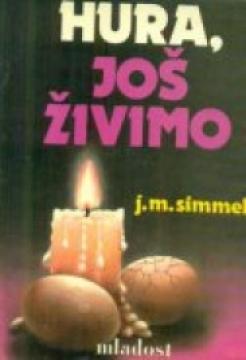
Hura, još živimo
Der Roman erzählt die Lebensgeschichte von Jakob Formann von 1946 bis 1976: vom armen Heimkehrer aus dem Krieg über geschäftliche Höhen und Tiefen, Liebe, Ehen und Skandale bis hin zum Aufstieg zu einem der reichsten und berühmtesten Menschen Deutschlands
Hurra, wir leben noch! (1978) ist einer der bekanntesten Romane von Johann Maria Simmel (1924–2009), einem österreichischen Bestsellerautor, der für seine Mischung aus Spannung, Erotik, Gesellschaftssatire und Pazifismus bekannt ist. Es ist eine großartige Familien- und Gesellschaftssaga, die drei Jahrzehnte des Nachkriegsdeutschlands anhand des Lebens des Protagonisten Jakob Formann schildert.
Jakob kehrt 1946 arm, hungrig und gebrochen, aber voller Lebenskraft und Zynismus aus dem Krieg zurück. Er fängt von vorn an: Er arbeitet illegal, schmuggelt Waren und steigt ins Bau-, Werbe- und Mediengeschäft ein. Dank seiner Gerissenheit, seines Charmes und seiner Skrupellosigkeit wird er zum Wirtschaftsmagnaten – zum Besitzer großer Unternehmen, Zeitungen und Fernsehsender. Der Roman beschreibt das deutsche Wirtschaftswunder: einen rasanten Aufstieg aus der Asche, aber auch moralische Kompromisse, Korruption, die Verdrängung der NS-Vergangenheit und Konsumhedonismus.
Jakobs Privatleben ist turbulent: mehrere Ehen, Geliebte, Kinder, Skandale. Er ist charismatisch, ruhelos, besessen von Sex und Macht, aber auch zutiefst unglücklich – er trägt das Trauma des Krieges, ein schlechtes Gewissen und ein Gefühl der Leere trotz seines Reichtums mit sich. Simmel nutzt Jakobs Erinnerungen, Dialoge und Selbstreflexionen, um einen größeren Kontext zu enthüllen: den Wiederaufbau, die Studentenunruhen von 1968, den Terrorismus der Baader-Meinhof-Gruppe, den Wandel der gesellschaftlichen Moral.
Der Stil ist typisch für Simmel: kurze Kapitel, ein dynamischer Rhythmus, viele Dialoge, Erotik und Humor (oftmals schwarzer). Der Roman ist in seinem Titel optimistisch („Hurra, wir leben noch!“), übt aber Kritik an einer Gesellschaft, die die Lehren des Krieges vergessen hat und in der Illusion des Wohlstands lebt.
Jedan primerak je u ponudi