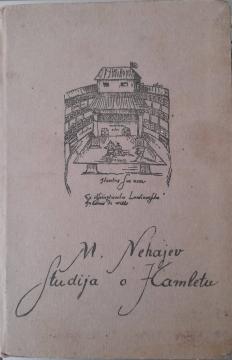
Studija o Hamletu

„Eine Studie über Hamlet“ (1917) ist eine psychologisch-kritische Analyse von Shakespeares Meisterwerk. Nehajev interpretiert die Figur Hamlet als modernen Intellektuellen – passiv, übelwollend, zynisch und fatalistisch –, der mit einer korrupten Welt kon
Eine Studie über Hamlet zählt zu den bedeutendsten kritischen und essayistischen Werken der kroatischen Literatur der ersten Hälfte des 20. Jahrhunderts. Der Text erschien ursprünglich 1915 in Fortsetzungen in der Zeitschrift Savremenik und wurde später als eigenständige Broschüre veröffentlicht.
Nehajev nähert sich Hamlet auf charakteristische Weise – nicht als klassischer Philologe oder Theaterwissenschaftler, sondern als moderner Psychologe und Literaturkritiker, beeinflusst von Taine, Brandes und der europäischen Moderne. Im Mittelpunkt seiner Untersuchung steht nicht die Handlung des Dramas, sondern die Figur des dänischen Prinzen als paradigmatisches Beispiel eines modernen Intellektuellen. Für Nehajev ist Hamlet ein Zyniker und ein verzweifelter Mann, durchdrungen von Fatalismus und Determinismus, ein Mensch von passiver Natur und krankem Willen. Seine Tragik rührt daher, dass er „außerhalb der Menschen und über den Menschen und somit gegen die Menschen“ steht.
Der Autor betont, dass Shakespeares Drama von den Regeln des Aristoteles abweicht, was gerade den Grund für seine zeitlose Aktualität darstellt. Hamlets Ohnmacht, sein Ekel vor der Welt, sein Groll gegen die Umwelt und der Glaube, dass der Adel die verkommene Ordnung nicht ändern kann – all dies sieht Nehajev als zutiefst aktuell an. In Hamlet erkennt er den Persönlichkeitstypus, der später seine eigenen Romane und Kurzgeschichten (insbesondere in Die Flucht) prägen wird: sensible, intelligente, aber gelähmte Individuen, die im Konflikt mit der harten Realität zugrunde gehen.
Die Studie ist in einem eleganten, subtilen und analytischen Stil verfasst, mit einer reichen Sprache und tiefen Einblicken in die menschliche Psyche. Nehajev verbindet philosophische Reflexion, psychologische Analyse und Literaturkritik und schafft so einen Text, der sowohl eine Interpretation Shakespeares als auch ein Selbstporträt eines modernen kroatischen Intellektuellen zu Beginn des 20. Jahrhunderts ist.
Diese Ausgabe von 1917 ist heute eine Rarität auf dem Antiquariatsmarkt und bietet einen wertvollen Einblick in Nehajevs kritisches Werk. Sie zeugt von der außergewöhnlichen Bildung des Autors, seinen profunden Kenntnissen der europäischen Literatur und seiner Fähigkeit, große klassische Themen in einen zeitgenössischen, persönlichen und nationalen Kontext zu übertragen. Sie ist Pflichtlektüre für Liebhaber Shakespeares, kroatischer Essayistik und moderner Literaturkritik.
One copy is available