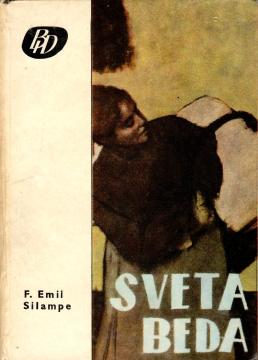
Sveta beda / Ljudi u ljetnoj noći
Sveta beda (1919.) je duboka, gotovo sveta himna ljudskoj izdržljivosti, gdje se bijeda pretvara u nešto uzvišeno, gotovo religiozno, u rukama finskog nobelovca koji je majstorski spojio naturalizam i lirsku nježnost.
Roman prati sudbinu seljačke obitelji u finskoj unutrašnjosti, u doba teških socijalnih promjena početkom 20. stoljeća. Glavni likovi – siromašni seljaci, radnici na imanju, majka i otac koji se bore za goli opstanak – nose teret gladi, bolesti, dječje smrti i neumoljive prirode. Ali Sillanpää ne piše socijalnu optužbu; on pokazuje kako u toj "svetoj bedi" – u poniznom prihvaćanju sudbine, u tihoj vjeri i međusobnoj solidarnosti – postoji neka čista, gotovo mistična ljepota. Patnja nije samo jad; ona je put prema unutarnjem pročišćenju, prema shvaćanju života kao nečeg svetog, čak i kad je okrutan.
Stil je jednostavan, gotovo biblijski u svojoj čistoći: kratke rečenice, ponavljanja, ritam koji podsjeća na narodne pjesme ili molitve. Nema velikih heroja, nema dramatike; sve je tiho, svakodnevno, ali duboko dirljivo. Sillanpää, koji je 1939. dobio Nobelovu nagradu upravo za ovakav pristup "siromašnim i malim ljudima", ovdje pokazuje svoju najveću snagu: sposobnost da u najobičnijem životu pronađe transcendentno.
U hrvatskom (ili srpsko-hrvatskom) jeziku najpoznatije izdanje je iz 1961. godine, Svjetlost Sarajevo, gdje je roman uparen s novelom Ljudi u ljetnjoj noći. Danas knjiga predstavlja antikvarnu rijetkost, ali ostaje i kao jedno od najljepših svjedočanstava finske literature: ne plače nad sudbinom, nego je slavi u njezinoj golotinji.
Two copies are available
Copy number 1
- Tragovi patine
- Blago oštećenje korica