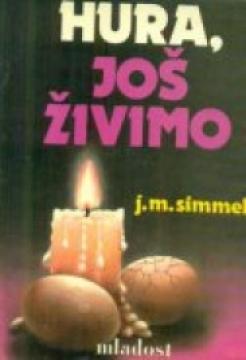
Hura, još živimo
The novel follows the life of Jakob Formann from 1946 to 1976: from a poor returnee from the war, through business ups and downs, love, marriages and scandals, to becoming one of the richest and most famous people in Germany.
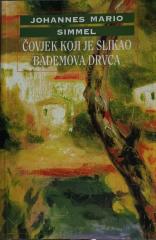
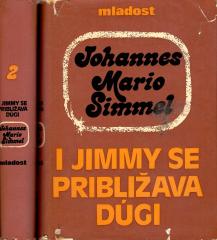
Hurrah, we still live (1978) is one of the most popular novels by Johann Maria Simmel (1924–2009), an Austrian bestselling author known for his mixture of suspense, erotica, social satire and pacifism. This is a great family and social saga that follows three decades of post-war Germany through the life of the protagonist Jakob Formann.
Jakob returns from the war in 1946 poor, hungry and broken, but full of vitality and cynicism. He starts from scratch: he works illegally, engages in smuggling, enters into construction, advertising and media businesses. Thanks to cunning, charm and ruthlessness, he becomes a magnate - the owner of large companies, newspapers, TV companies. The novel depicts the German "economic miracle" (Wirtschaftswunder): a rapid rise from the ashes, but also moral compromises, corruption, suppression of the Nazi past and consumer hedonism.
Jakob's private life is turbulent: multiple marriages, mistresses, children, scandals. He is charismatic, restless, obsessed with sex and power, but also deeply unhappy - he carries the trauma of war, a guilty conscience and a sense of emptiness despite his wealth. Simmel uses Jakob's memories, dialogues and introspections to present a wider context: the reconstruction, the student riots of 1968, the Baader-Meinhof terrorism, changes in social morality.
The style is typical of Simmel: short chapters, a dynamic rhythm, lots of dialogue, eroticism and humor (often black). The novel is optimistic in its title ("Hurray, we still live!"), but critical of a society that has forgotten the lessons of war and lives in the illusion of prosperity.
One copy is available