Novele
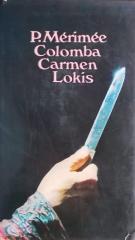
Colomba / Carmen / Lokis

U novelama Colomba, Carmen i Lokis Prosper Mérimée prikazuje sukob strasti, tradicije i razuma, istražujući osvetu, ljubav, nasilje i tamne strane ljudske prirode.
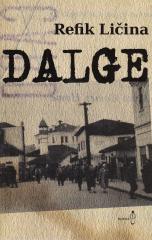
Dalge (priča na sklapanje)
Dalge (priča na sklapanje) Refika Ličine je zbirka kratke proze – lirski fragmentirana kronika Novog Pazara, grada u kojem je autor živio do 1992. godine prije egzila u Švedsku (Lund).

Đavolja bara / Mala Fadeta / Nahoče Fransoa

Đavolja bara prikazuje život skromnih seljaka u francuskoj pokrajini Berry. Mala Fadeta je priča o djevojčici Fadette, koja je zbog svog izgleda i ponašanja odbačena od zajednice. Nahoče Fransoa priča o siročetu koje je odraslo uz dobrotu mlade seljanke.
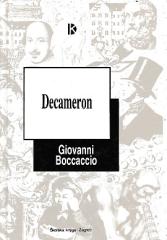
Decameron i druga djela: izbor
Uz dvadeset novela iz Dekamerona, najvećeg djela talijanske pripovjedne proze, u ovoj su knjizi objavljeni i ulomci iz Rima, Filocola, Filostrata, Tezeide, Ameta, Elegije gospe Fiammette, Spjeva o fiezolanskim nimfama,Korbača i Raspravice u Pohvalu Danteu
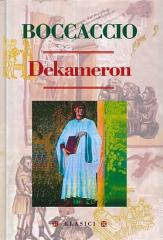
Dekameron
U Dekameronu deset mladih u bjekstvu od kuge priča priče o ljubavi, sudbini i domišljatosti. Prilagođena verzija Ljerke Car Matutinović donosi odabrane novele, prilagođene školi, s naglaskom na humor, moral i renesansni duh.
Diljem doma: zapisci i priče
„Oko kuće: Beleške i priče“ Ksavera Šandora Gjalskog (1899) je zbirka realističnih skica, beleški i priča iz hrvatskog, uglavnom zagorskog života, sa akcentom na propadanju plemstva i slikama svakodnevnog domaćeg života.

Divlja privlačnost
Sunshine, Idaho, je savršeno mesto da sklonite povređene životinje... ili da pronađete sebe. Veterinar Del Koneli sumnja da postoji razlog zašto je ludo efikasna i pedantna pomoćnica Džejd pronašla utočište u njegovoj klinici.
Djavolica: prilog psihologiji kćeri iz boljih obitelji
Djavolica (1920) je psihološki roman o „đavolici“ - buntovnoj, erotičnoj i složenoj ćerki iz imućne buržoaske porodice. Doprinos psihologiji više klase, sa naglaskom na seksualnom i društvenom buđenju mlade žene.

Djela #11: Gradić Okurov / Život Matveja Kožemjakina
Priča „Gradić Okurov” je kratki roman koji je Gorki napisao 1909. godine. Rad prikazuje život malog provincijskog grada Okurova i njegovih stanovnika, fokusirajući se na monotoniju, stagnaciju i moralnu dekadenciju društva.

Literature
- Aphorisms and jokes
- Albanian literature
- American literature
- Ancient literature
- Anthology
- Arabic literature
- Autobiographies and Memoirs
- Adventure novel
- Bosnian literature
- British literature
- Bulgarian literature
- Montenegrin literature
- Documentary literature
- Plays
- Epistolary literature
- Epic Fantasy
- Epic literature
- Erotic Novels
- Essays and diaries
- Fantastic literature
- Movie Script
- A philosophical novel
- Francuska književnost
- Greek literature
- Dutch literature
- Horror/Gothic
- Croatian literature
- Humor and Satire
- Indian literature
- Iranian literature
- Irish literature
- History of literature
- Historical novel
- Eastern European literature
- Italian literature
- Sayings, thoughts, aphorisms, proverbs
- Japanese literature
- Jewish literature
- Chinese literature
- Literary criticism
- Teen Novels
- Comedy
- Short stories
- Detective Stories
- Hispanic American literature
- Latin literature
- Romance Novels
- Macedonian literature
- Hungarian literature
- Moral and didactic literature
- Folk literature
- Science Fiction
- German literature
- Novele
- Poems in prose
- Poetry
- Polish literature
- Family novel
- Portuguese literature
- Proverbs and maxims
- Short Stories
- Psychological novel
- A war novel
- Romanian literature
- Russian literature
- Summaries and adaptations of literary works
- Scandinavian literature
- Slovak literature
- Slovenian literature
- Social literature
- Serbian literature
- Literary Theory
- Tragedy
- Thriller
- Turkish literature
- Ukrainian literature
- Czech literature
- School reading
- Spanish literature